
Moving to Amarillo, TX: Everything You Need to Know Before You Relocate
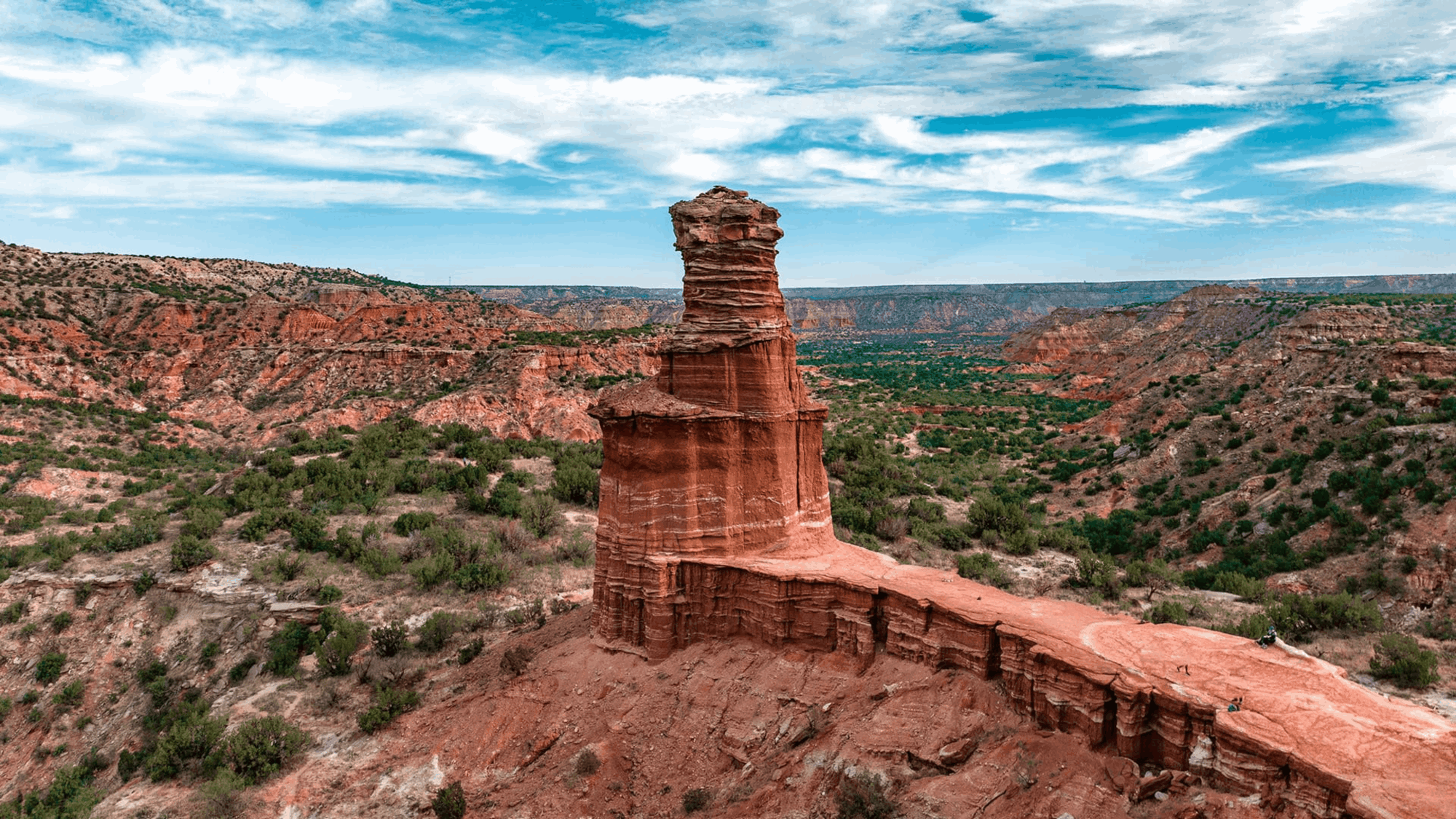
Amarillo is the commercial capital of a region spanning three states and roughly half a million people, but it operates like a mid-sized city with a short commute and metro-grade healthcare. This guide covers what you actually need to plan for: housing, jobs, schools, weather, utilities, taxes, and the practical steps of getting settled.
What's covered
Amarillo basics
| Detail | Information |
|---|---|
| Population | Approximately 200,000 |
| Median age | About 34 |
| Counties | Primarily Potter, extending into Randall |
| Elevation | Roughly 3,600 feet |
| Major highways | I-40, I-27, US 87/287, Loop 335 |
| Airport | Rick Husband Amarillo International (AMA) |
| School districts | Amarillo ISD, Canyon ISD, Bushland ISD, Highland Park ISD, River Road ISD |
| Distance to Dallas | About 360 miles |
| Distance to Albuquerque | About 290 miles |
| Distance to Denver | About 425 miles |
Amarillo is the largest city in the Texas Panhandle and serves as the regional economic center for the Panhandle, eastern New Mexico, and the Oklahoma Panhandle. That regional role explains a lot about the city: the hospitals, retail base, and airport are all sized for a market considerably larger than the city's own population.
Housing and where to live
What homes cost
Because Texas is a non-disclosure state, sale prices are not public record, and published medians vary between providers. Current figures cluster roughly as follows:
| Source | Reported figure |
|---|---|
| Redfin (median sale price) | Approximately $235,000 |
| Independent closing-data trackers | Approximately $250,000 |
| Zillow Home Value Index | Approximately $212,000 |
| Median list price | Approximately $285,000 |
| Average rent | Approximately $1,011/month |
The practical takeaway: plan around $235,000–$260,000 for a solid three-bedroom home in a desirable area, with new construction starting near $211,000 and custom homes in the southwest running $400,000–$700,000+.
Where to start looking
- Southwest Amarillo — the strongest demand quadrant. The Colonies, The Greenways, Puckett, Westover, Windsor, and most new construction.
- Central — Wolflin for historic character and walkability.
- West — Sleepy Hollow for quiet, established streets.
- Southeast — Tradewind and Tradewind Square for the most affordable newer construction.
- Outside the city — Canyon (15 minutes south), Bushland (west), Timbercreek Canyon and River Falls (southeast) for acreage.
Market conditions for relocating buyers
Amarillo has recently favored buyers, with roughly three months of supply, homes typically sitting 60 to 70 days, and a substantial share of listings taking price reductions. That gives relocating buyers time to tour properly rather than making sight-unseen offers — a meaningful advantage over hot metro markets.
Jobs and the economy
Amarillo's economy spans energy, agriculture, food processing, aerospace manufacturing, national defense, logistics, healthcare, and retail. The major employers:
| Employer | Sector | Approximate scale |
|---|---|---|
| CNS Pantex | National security / DOE | ~4,600 employees |
| Tyson Foods | Beef processing | ~4,000 employees |
| Northwest Texas Healthcare System | Healthcare | ~2,150 employees |
| Bell Textron | Aerospace manufacturing | ~900 employees |
| Amarillo ISD | Education | Major public employer |
| BSA Health System | Healthcare | Regional anchor |
| Xcel Energy | Utilities | Regional operations |
| Affiliated Foods | Food distribution | Regional distribution hub |
| BNSF Railway | Logistics | Rail hub operations |
| Owens Corning, Cargill, Gestamp | Manufacturing | Significant local presence |
Agriculture generates more than $4 billion annually across the Panhandle and employs over 33,000 people regionally. A $670 million Producer Owned Beef facility is currently under construction, and the region has significant wind energy development — the Pantex Renewable Energy Project is among the largest federal wind farms in the country.
Realistic caution: the strength here is depth in specific sectors, not breadth. Careers in finance, technology, marketing, or large-scale professional services have fewer rungs on the ladder than in a metro. Remote workers sidestep this entirely, and many recent relocations fall into that category.
Weather and climate
Amarillo has a cold semi-arid climate at 3,600 feet, which produces four genuinely distinct seasons and low humidity year-round.
- Spring — the windiest and most volatile season. Sustained high winds, dust events, and the peak of severe storm activity including hail.
- Summer — hot but dramatically more comfortable than Dallas or Houston because of low humidity. Evenings cool off meaningfully.
- Fall — widely considered the best season. Mild, clear, less wind.
- Winter — genuinely cold, with periodic snow, ice storms, and occasional blizzard conditions. Wind chill is a real factor.
The two things to plan for
Wind. Amarillo ranks among the windiest cities in the country. This is a daily condition, not a seasonal one. Practically: anchor patio furniture, expect fences to need maintenance, and specify high-wind-rated materials on any exterior work.
Hail. The Panhandle sits in an active hail corridor, and severe storms capable of totaling roofs and vehicles occur regularly. This drives homeowners insurance premiums higher than the low home prices would suggest, and many policies carry percentage-based wind and hail deductibles rather than flat dollar amounts. Get a quote from a local carrier before you close — a national online estimate will understate it.
Traffic and getting around
This is the quiet superpower of relocating to Amarillo. There is no meaningful rush hour by metro standards. Most cross-town trips take 15 to 20 minutes. I-40 runs east-west, I-27 heads south toward Canyon and Lubbock, and Loop 335 rings the perimeter.
Amarillo is a car city — public transit exists but is limited, and most areas are not walkable in the urban sense. Plan on one vehicle per working adult. Fuel costs run below the national average, and the short distances mean annual mileage is typically low.
Schools and education
Three districts serve most Amarillo-area addresses:
- Amarillo ISD — the largest, covering roughly 70 square miles across Potter and Randall counties.
- Canyon ISD — serves the city of Canyon plus a substantial portion of southwest Amarillo, and is consistently regarded as the strongest district in the region.
- Bushland ISD — serves the Bushland area west of the city and draws families specifically for the district.
Highland Park ISD and River Road ISD serve smaller areas north and east. The Amarillo ISD / Canyon ISD boundary does not follow city limits or major roads, and homes with an Amarillo address routinely feed Canyon ISD schools. Verify the assignment for any specific address directly with the district.
Higher education
- Amarillo College — public community college enrolling over 10,000 students across seven campuses.
- Texas Tech University Health Sciences Center at Amarillo — programs in medicine, nursing, pharmacy, pharmaceutical sciences, and physical therapy.
- West Texas A&M University — in Canyon, 15 minutes south, with roughly 10,000 students.
Utilities and setup
| Service | Provider(s) | Typical cost |
|---|---|---|
| Electricity | Xcel Energy (regulated market) | Energy bills average around $174/month |
| Natural gas | Atmos Energy | Varies seasonally; winter peaks |
| Water, sewer, trash | City of Amarillo | Municipal rates |
| Internet / TV | Suddenlink/Optimum, AT&T, Amarillo Wireless, fixed wireless in rural areas | Varies |
| Rural water | WT Services and rural water systems outside city limits | Varies |
Important distinction for Texas transplants: Amarillo is not in the deregulated retail electricity market. Xcel Energy is the regulated provider, so you will not be shopping among retail electric plans the way you would in Dallas or Houston. Overall utilities run roughly 11% below the national average.
If you buy acreage outside city limits, expect well and septic rather than municipal water and sewer. Budget for inspection of both, and confirm whether a well exists or must be drilled.
Taxes
- State income tax: none. Texas is one of seven states without a personal income tax.
- Sales tax: 6.25% state plus 2% city of Amarillo, for a combined 8.25%.
- Property tax: median effective rate around 1.58% in Potter County, versus a Texas median near 1.48% and a national median near 1.02%. Some analyses place the blended Potter/Randall figure closer to 1.92%.
Rates vary significantly by location within the city — the 79104 ZIP carries a median effective rate near 1.98% while 79108 sits around 1.29%. File your homestead exemption in the first year of ownership; the appraisal appeal deadline is typically mid-May.
Healthcare
Amarillo's medical infrastructure is sized for its regional role, not its city population, which means specialist access well beyond what a 200,000-person city would normally support. The anchors are BSA Health System and Northwest Texas Healthcare System, supported by the Texas Tech University Health Sciences Center at Amarillo, which adds academic medicine, pharmacy, and research capacity.
Healthcare services run roughly 18% below the national average. For families relocating from a rural area, this is a meaningful upgrade. For families relocating from a major metro, it is a modest step down in breadth but not in quality of core services.
Recreation and culture
- Palo Duro Canyon State Park — the second-largest canyon in the US, about 30 minutes away, with 30+ miles of trails for hiking, biking, and horseback riding, plus camping and the summer outdoor musical TEXAS.
- Cadillac Ranch — the 1974 art installation of ten half-buried Cadillacs on I-40, free to visit, with graffiti encouraged.
- Route 66 Historic District — Sixth Street, with antique shops, bars, live music, and restaurants.
- Hodgetown — downtown ballpark, home of the Double-A Amarillo Sod Poodles.
- Museums — American Quarter Horse Hall of Fame and Museum, Amarillo Museum of Art, Don Harrington Discovery Center, Texas Air & Space Museum, and the Panhandle-Plains Historical Museum in Canyon, the largest history museum in Texas.
- Parks and family — John Stiff Memorial Park, Amarillo Botanical Gardens, Amarillo Zoo, Wonderland Amusement Park.
- Food — The Big Texan Steak Ranch and its 72-ounce challenge, Golden Light Cafe on Route 66, Tacos Garcia, Drunken Oyster, Pondaseta Brewing.
Relocation checklist
- Confirm your school district for the specific address, not the neighborhood. Amarillo ISD and Canyon ISD boundaries are not intuitive.
- Get a homeowners insurance quote from a local carrier before you go under contract. Ask specifically about the wind and hail deductible structure.
- Ask for roof age and claim history on every property you seriously consider.
- Check the effective property tax rate for that ZIP code — the spread across the city is nearly 0.7 percentage points.
- Set up Xcel Energy and Atmos — no retail electricity shopping in this market.
- Update your driver's license and vehicle registration within the Texas deadline if moving from out of state.
- File your homestead exemption with the Potter-Randall Appraisal District after closing.
- If buying acreage, inspect well and septic separately and confirm the road maintenance arrangement.
- Visit in spring if possible. If April works for you, the rest of the year will.
Planning a relocation to Amarillo?
School boundaries, insurance exposure, and tax rates vary enough within this market that the right answer depends on the specific address. Get a local read before you commit.
[PARTNER CTA — insert brokerage name, agent, phone, email, and site URL]
Frequently asked questions
Is moving to Amarillo a good idea?
For buyers prioritizing housing affordability, a short commute, and a stable job base in energy, agriculture, healthcare, defense, or manufacturing, Amarillo delivers strongly. It is a weaker fit for those needing a deep white-collar job market, frequent direct flights, or metropolitan amenities.
How much money do you need to live comfortably in Amarillo?
Cost of living runs roughly 18% below the national average and 13% below the Texas average. A household income in the $75,000–$85,000 range generally supports comfortable homeownership, given median home prices in the $235,000–$250,000 range and average rent near $1,011.
What is the best area to live in Amarillo?
Southwest Amarillo carries the strongest demand — The Colonies, The Greenways, Puckett, Westover, and Windsor. Canyon, 15 minutes south, draws families specifically for Canyon ISD.
Does Amarillo have good schools?
Canyon ISD is consistently regarded as the strongest district in the region and serves a substantial portion of southwest Amarillo despite the Amarillo address. Amarillo ISD is the largest district, and Bushland ISD draws families to the west side.
What should I know about Amarillo weather before moving?
Wind is constant and is the most common complaint from transplants. Hail is a serious and expensive risk that affects insurance costs. Winters are genuinely cold with occasional blizzard conditions. Summers are hot but far more comfortable than central or east Texas because of low humidity.
Is Amarillo in the deregulated electricity market?
No. Xcel Energy is the regulated electricity provider, so unlike Dallas or Houston, you will not shop among competing retail electric plans.
Figures reflect third-party data sources current at time of writing and change over time. Texas is a non-disclosure state, so reported sale prices vary between providers. Verify tax rates, utility costs, and school assignments for any specific property.
FROM OUR BLOG

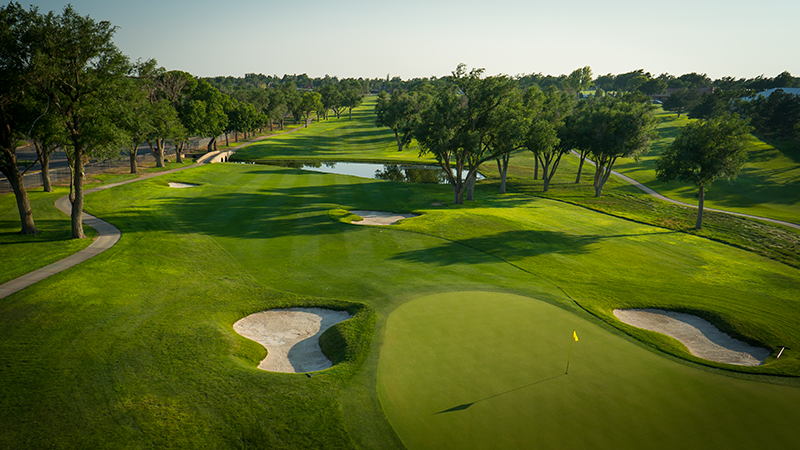
Golf Courses in Amarillo, TX: The Complete Guide
Golf Courses in Amarillo, TX: The Complete Guide Amarillo is one of the best-kept secrets in Texas golf, and the reason is simple: the City of Amarillo owns two full 36-hole complexes and runs them well. That is 72 holes of municipal golf in a city of 200,000 — a ratio almost no metro in the s

Schools in Amarillo, TX: A Complete Guide to Districts, Campuses, and Ratings
Schools in Amarillo, TX: A Complete Guide to Districts, Campuses, and Ratings Amarillo is served by five public school districts, two charter networks, and four established private schools. The district boundaries do not follow city limits, neighborhood names, or any intuitive landmark — which
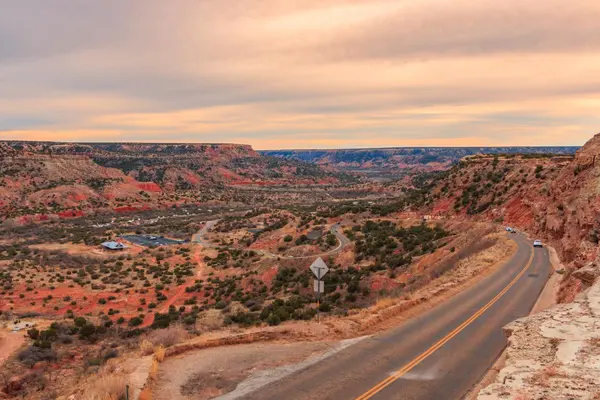
25 Things Locals Know About Living in Amarillo
25 Things Locals Know About Living in Amarillo Every city has a layer of knowledge that does not show up in relocation guides — the stuff you learn in the first two years, usually the hard way. Here is Amarillo's, from someone-who-lives-here perspective: the wind, the hail, the sunsets, the food